

---
title: Behind the Lab Coat: Our 2024 Research Grant Awardees - The Skin Cancer Foundation
description: Each year, The Skin Cancer Foundation bestows grants to early career investigators whose work shows promise in the prevention, detection [&hellip;]
image: https://www.skincancer.org/wp-content/uploads/GettyImages-1386962527.jpg
---


![Sun & Skin News]() 

# Behind the Lab Coat: Our 2024 Research Grant Awardees

 By Skin Cancer Foundation •  Published On: August 27, 2025 •  Last Updated: September 12, 2025 

![A woman wearing safety goggles and a lab coat uses a pipette to transfer liquid to a test tube in a lab.]() 

#### Each year, The Skin Cancer Foundation bestows grants to early career investigators whose work shows promise in the prevention, detection or treatment of skin cancer. Here, our three most recent awardees share what they’re working on in the lab and what they do when they’re off the clock. Learn about our donors, too!

### Dr. Marcia Robbins-Wilf Research Grant Award

$25,000

**Donor:** Marcia Robbins-Wilf, EdD, is a longtime champion of philanthropy and education. She supports the SCF Research Grants because “it has been a rewarding path to seeing researchers’ big ideas come to life and make a difference.” Dr. Robbins-Wilf divides her time between Verona, New Jersey, and the Palm Beach area of Florida.

**Awardee:** 
**Gabriela Andrea Pizzurro, PhD**  
Associate Research Scientist, Yale University, New Haven, Connecticut

**Title of Project:** 
_Modeling Metastatic Squamous Cell Carcinoma for Immunotherapeutic Studies_

![Pizzurro & son's birthday party]()

Dr. Pizzurro, an immunologist who began her training in Argentina and is now a postdoctoral associate researcher at Yale, created a method to grow [squamous cell carcinoma (SCC)](https://www.skincancer.org/skin-cancer-information/squamous-cell-carcinoma/) tumors in mice. “This allows me to see how fast the tumors are growing, and how they are able to colonize lymph nodes,” she says. By forcing the tumors to develop into different levels of aggressiveness, Dr. Pizzurro can study what’s changing inside the tumor and in the environment around it; specifically, “immune cells, stromal cells \[a type of cell found in certain types of connective tissue\] such as fibroblasts and everything else that comes with the tumor.”

The project stems from work she did with her late mentor on melanoma and immunology. “It’s studying the role of how the immune system or specific immune cells help the tumor progress, or how to manipulate or harness the immune cells to stop or reduce the tumor progression or target and kill those tumor cells,” she says. “By establishing this mouse model, we can start testing different therapeutic approaches, such as drugs that might work on these tumors.” The grant, she says, will help generate pilot data that may lead to more significant grants to further fund the project.

**Teamwork Makes the Dream Work:** When she’s not managing this research project, Dr. Pizzurro manages a household with her husband and two children — a daughter and a son, (celebrating their son’s fifth birthday together, above). “We’re a team,” Dr. Pizzurro says of her husband. “We balance well with our internal clocks. I’m a night owl, and he’s a morning person,” which means he gets up early with the kids before school, while she handles the PM prep work like lunches and activity pickups. They also rely on the proverbial “village,” including faculty (her husband also works at Yale) and friends for help with carpooling. “Many of us are in the same boat without family nearby, so we’ve built this community.”

To de-stress, Dr. Pizzurro enjoys hiking with her family in New England. She also loves cooking and baking. Following a recipe is similar to following protocols for research projects, she says. “In the same way that I standardize my research and find the best protocol for my experiments, I optimize my recipes, tweaking them and making them repeatable. I don’t have to think about it too much; it comes naturally to me.”

### Todd Nagel Memorial Research Grant Award

$50,000

**Donor:** Linda Nagel lost her husband, Todd, to melanoma when their son, Ryan, was only 3\. She raises funds for skin cancer research through the annual Todd Nagel Golf Open in Minnesota. Ryan, who graduated from the University of Iowa in 2024, carries on his father’s legacy while working in a research lab studying melanoma and other cancers.

**Awardee:**  
**Andrew Ji, MD**  
Assistant Professor of Dermatology, Icahn School of Medicine at Mount Sinai, New York City

**Title of project:**  
_Immunosuppression and Macrophage Interactions in Squamous Cell Carcinoma Development_

Dr. Ji took an interest in SCC for this project because it’s the second most common type of skin cancer. Also, he explains, patients who have undergone solid organ transplants (kidney, lung, heart and liver) are at [extremely high risk of developing SCCs](https://www.skincancer.org/skin-cancer-information/squamous-cell-carcinoma/scc-causes-and-risk-factors/) because of the immunosuppression required to prevent their bodies from rejecting their new organs. “With immunosuppression, there’s an increased risk of all skin cancers,” he says, “but SCC stands out as a huge risk, with some literature reporting up to 100 times increased risk compared with the general population.” Dr. Ji’s research seeks to understand the molecular mechanisms behind the risk.

The focus is on macrophages, cells that prevent the formation of skin cancer. “They can help fight infection and clear out debris to allow tissue repair,” explains Dr. Ji. “But in the immunosuppressed setting, these macrophages are less likely to fight against a tumor and help the tumor grow, promoting the migration of cells and blood vessels. This grant will allow us to apply novel, cutting-edge tools to our experience that we think will help us understand the question of how macrophages might be contributing to the increased risk of tumors.” The long-term goal: “to manipulate or modulate the behavior of the macrophages so they are more anti-tumor — or at least prevent the pro-tumorigenic behavior.”

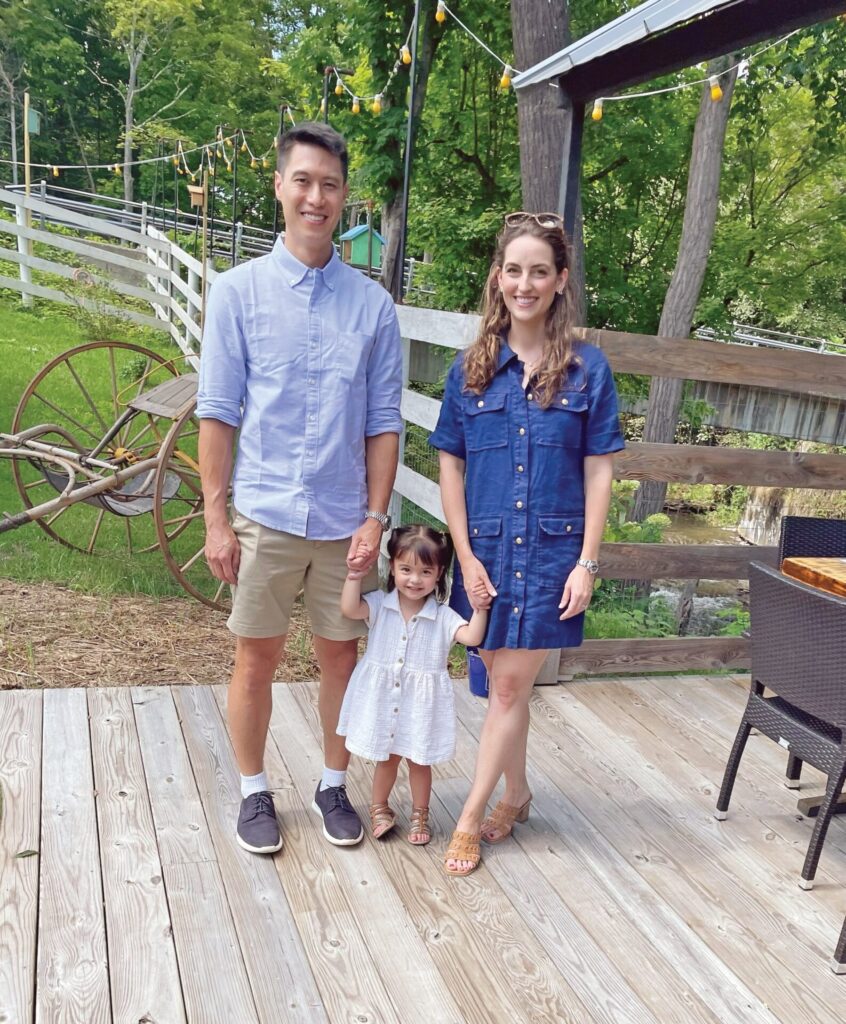
![Dr. Ji, wife and child]()

**Navigating a New Field:** When he’s not focused in the lab at Mount Sinai, Dr. Ji is working on a different experiment: parenthood. He and his wife, Bronwyn, have a young daughter (age 2 in 2024, between her parents, above). That means weekends that used to be spent doing personal hobbies — such as pickleball, basketball, golf or playing the guitar — have taken a back seat to zoo trips, birthday parties and toddler soccer practices, the latter of which Dr. Ji proudly watches with a researcher’s eye. “It’s really interesting to see a 2-year-old work through how to kick a ball or run after it, or even just follow instructions,” he says. “She seems to learn quickly — she’s like a sponge.”

Dr. Ji does his best to stay active despite having less time for his favorite sports. He and his wife recently joined a gym with a room for kids, so his daughter can play nearby while they take fitness classes. “Having an established routine with her is making it a little easier for us,” he explains, “but we’re still working on finding a balance.”

### Ashley Trenner Research Grant Award

$50,000

**Donors:** Karen and Bob Trenner lost their beloved daughter, [Ashley, to melanoma](https://www.skincancer.org/blog/ashleys-journey/) in 2013\. By supporting these grants, they say, “We honor Ashley and continue her fight to educate people about skin cancer.” When they’re not traveling the world, the Trenners are based in Bellevue, Washington.

**Awardee:**  
**Nicholas Collins, PhD**  
Assistant Professor, Weill Cornell Medicine, New York City

**Title of Project:**  
_Nutritional Enhancement of Anti-Melanoma Immunity_

Dr. Collins’ project is based on research showing that caloric restriction boosts the immune system to fight against bacterial infections. “We’re now extending that to the context of cancer — specifically, [melanoma](https://www.skincancer.org/skin-cancer-information/melanoma/).” Dr. Collins says they’ve found that calorie restriction strongly enhances the immune system against melanoma. For many people, though, it’s hard to eat less. The nutritional aspect is for the _prevention_ of melanoma, not treatment, which may make a strict diet even more challenging for people, he says.

![Dr.-Collins-with-his-mom-when-she-visited-NYC]()

His research looks at specific macronutrients involved in caloric restriction that may enhance the T cells against melanoma. “For example, we think that it could be that caloric restriction is reducing protein or amino acids in the blood, and that’s what’s causing the enhancing effects,” he says. “The long-term goal is to design diets that only reduce the protein level, for example, without actually reducing the number of calories, so it’s easier to adhere to.”

**Making Moves:** Before his current position in New York City (with his mom on a visit, above), Dr. Collins got his PhD in Melbourne, Australia, where his work focused on immune response, immunological memory and infectious diseases. He then relocated to Washington, D.C., where he continued to work on immune memory and how environmental factors influence it. Dr. Collins always had a natural interest in skin, as our barrier to the outside world, so skin cancer was a natural extension. After five years in D.C., he moved to New York City, where he started his own lab. “It had always been a dream, and New York is an ideal place,” he says.

Dr. Collins often hosts friends and family in the Big Apple during his off time. “There’s always a friend or family member passing through to stay with my wife and me,” he says. “We’ll watch a game. Like any Australian, I’ll watch sports all day, every day.”

### **The 2024 Skin Cancer Foundation Research Grants Committee**

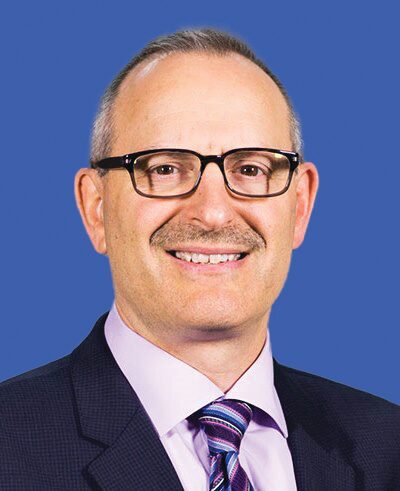
> “We received a promising batch of grant applications in 2024, many looking at novel approaches to treatment using new combinations of therapies, alternative delivery methods or a different sequence or stage than the current standard of care,” says Dr. Polsky. “The three that rose to the top with our committee members (listed below) focus on melanoma and squamous cell carcinoma, and we’re excited to see what these investigators will learn and put into practice through the results of this research.”

**![david-polsky]()David Polsky, MD, PhD**

_Committee Chair_  
Alfred W. Kopf, MD, Professor of Dermatologic Oncology  
Ronald O. Perelman Department of Dermatology  
NYU Grossman School of Medicine, New York City

**Markus Schober, PhD**

Associate Professor, Ronald O. Perelman Department of Dermatology

NYU Grossman School of Medicine, New York City

**Vijayasaradhi Setaluri, PhD**

Evan P. & Marion Helfaer Professor, Department of Dermatology,  
University of Wisconsin — Madison

**Kenneth Tsai, MD, PhD**

Vice Chair of Research, Department of Pathology,

Moffit Cancer Center, Tampa

##### Categories

* [Ask the Expert](https://www.skincancer.org/blog/category/ask-the-expert/)
* [Child Sun Safety](https://www.skincancer.org/blog/category/child-sun-safety/)
* [Destination Healthy Skin](https://www.skincancer.org/blog/category/destination-healthy-skin/)
* [Healthy Lifestyle](https://www.skincancer.org/blog/category/healthy-lifestyle/)
* [Inside The Skin Cancer Foundation](https://www.skincancer.org/blog/category/inside-the-skin-cancer-foundation/)
* [Monthly Newsletter](https://www.skincancer.org/blog/category/enews/)
* [News & Research](https://www.skincancer.org/blog/category/news-research/)
* [Skin Cancer Awareness Month](https://www.skincancer.org/blog/category/skin-cancer-awareness-month/)
* [Skin Cancer Information](https://www.skincancer.org/blog/category/skin-cancer-information/)
* [Skin Cancer Myths & Misinformation](https://www.skincancer.org/blog/category/skin-cancer-myths-misinformation/)
* [Skin of Color](https://www.skincancer.org/blog/category/skin-of-color/)
* [Tanning](https://www.skincancer.org/blog/category/tanning/)
* [The Big See](https://www.skincancer.org/blog/category/the-big-see/)
* [The Skin Cancer Foundation Journal](https://www.skincancer.org/blog/category/the-skin-cancer-foundation-journal/)
* [This Is Skin Cancer](https://www.skincancer.org/blog/category/true-stories/)
* [Why We Give](https://www.skincancer.org/blog/category/why-we-give/)

##### Follow Us

[](http://twitter.com/SkinCancerOrg) [ ](https://www.pinterest.com/skincancerorg/)

##### [Sign up for newsletter](https://www.skincancer.org/newsletter-sign-up/)

##### Popular Posts

* [Ask the Expert: Does a High SPF Protect My Skin Better?](https://www.skincancer.org/blog/ask-the-expert-does-a-high-spf-protect-my-skin-better/)
* [Why Does My Skin Peel When I Get Sunburned, and What Should I Do About It?](https://www.skincancer.org/blog/why-does-my-skin-peel-when-i-get-sunburned/)
* [DIY Don’ts: Why At-Home Mole Removal Is a Bad Idea](https://www.skincancer.org/blog/diy-donts-why-at-home-mole-removal-is-a-bad-idea/)
* [Amelanotic Melanoma: It Doesn’t Look Like Other Melanomas](https://www.skincancer.org/blog/amelanotic-melanoma-it-doesnt-look-like-other-melanomas/)
* [Ask the Expert: Painful Moles](https://www.skincancer.org/blog/ask-expert-painful-moles/)
* [How Dangerous is Melanoma? It’s All a Matter of Timing](https://www.skincancer.org/blog/dangerous-melanoma-matter-timing/)
* [Sun Protection and Vitamin D](https://www.skincancer.org/blog/sun-protection-and-vitamin-d/)

![]()

![2025 top rated non profit]()

[](https://www.guidestar.org/profile/shared/248c6aa7-9ca9-4489-81b8-69bd7ed2f3d5)

[ Make a Donation ](https://give.skincancer.org/SCFDonate) 

* [Prevention▼](https://www.skincancer.org/skin-cancer-prevention/)
  * [Skin Cancer Prevention](https://www.skincancer.org/skin-cancer-prevention/)
  * [Recommended Products](https://www.skincancer.org/recommended-products/)
  * [Sun Protection▼](https://www.skincancer.org/skin-cancer-prevention/sun-protection/)
    * [Sunscreen](https://www.skincancer.org/skin-cancer-prevention/sun-protection/sunscreen/)
    * [Eye Protection](https://www.skincancer.org/skin-cancer-prevention/sun-protection/eye-protection/)
    * [Sun Protective Clothing](https://www.skincancer.org/skin-cancer-prevention/sun-protection/sun-protective-clothing/)
    * [UV Window Film & Tint](https://www.skincancer.org/skin-cancer-prevention/sun-protection/uv-window-film/)
    * [Vitamin D](https://www.skincancer.org/skin-cancer-prevention/sun-protection/vitamin-d/)
  * [Seal of Recommendation](https://www.skincancer.org/skin-cancer-prevention/seal-of-recommendation-archived/)
* [Skin Cancer Information▼](https://www.skincancer.org/skin-cancer-information/)
  * [Skin Cancer Information](https://www.skincancer.org/skin-cancer-information/)
  * [Skin Cancer Facts & Statistics](https://www.skincancer.org/skin-cancer-information/skin-cancer-facts/)
  * [Newly Diagnosed with Skin Cancer](https://www.skincancer.org/skin-cancer-information/newly-diagnosed-with-skin-cancer/)
  * [Skin Cancer Pictures | What Does Skin Cancer Look Like?](https://www.skincancer.org/skin-cancer-information/skin-cancer-pictures/)
  * [Skin Cancer in Skin of Color](https://www.skincancer.org/skin-cancer-information/skin-cancer-skin-of-color/)
  * [Actinic Keratosis▼](https://www.skincancer.org/skin-cancer-information/actinic-keratosis/)
    * [Actinic Keratosis Risk Factors](https://www.skincancer.org/skin-cancer-information/actinic-keratosis/causes-and-risk-factors/)
    * [Actinic Keratosis Warning Signs and Images](https://www.skincancer.org/skin-cancer-information/actinic-keratosis/actinic-keratosis-warning-signs-and-images/)
    * [Actinic Keratosis Treatment](https://www.skincancer.org/skin-cancer-information/actinic-keratosis/actinic-keratosis-treatment-options/)
  * [Basal Cell Carcinoma▼](https://www.skincancer.org/skin-cancer-information/basal-cell-carcinoma/)
    * [Basal Cell Carcinoma Risk Factors](https://www.skincancer.org/skin-cancer-information/basal-cell-carcinoma/bcc-causes-and-risk-factors/)
    * [Basal Cell Carcinoma Warning Signs and Images](https://www.skincancer.org/skin-cancer-information/basal-cell-carcinoma/bcc-warning-signs-images/)
    * [Basal Cell Carcinoma Treatment](https://www.skincancer.org/skin-cancer-information/basal-cell-carcinoma/bcc-treatment-options/)
  * [Melanoma▼](https://www.skincancer.org/skin-cancer-information/melanoma/)
    * [Melanoma Risk Factors](https://www.skincancer.org/skin-cancer-information/melanoma/melanoma-causes-and-risk-factors/)
    * [Melanoma Warning Signs and Images](https://www.skincancer.org/skin-cancer-information/melanoma/melanoma-warning-signs-and-images/)
    * [Melanoma Stages](https://www.skincancer.org/skin-cancer-information/melanoma/the-stages-of-melanoma/)
    * [Melanoma Treatment](https://www.skincancer.org/skin-cancer-information/melanoma/melanoma-treatments/)
  * [Merkel Cell Carcinoma▼](https://www.skincancer.org/skin-cancer-information/merkel-cell-carcinoma/)
    * [Merkel Cell Carcinoma Risk Factors](https://www.skincancer.org/skin-cancer-information/merkel-cell-carcinoma/mcc-risk-factors/)
    * [Merkel Cell Carcinoma Warning Signs and Images](https://www.skincancer.org/skin-cancer-information/merkel-cell-carcinoma/mcc-warning-signs/)
    * [Merkel Cell Carcinoma Stages](https://www.skincancer.org/skin-cancer-information/merkel-cell-carcinoma/mcc-stages/)
    * [Merkel Cell Carcinoma Treatment](https://www.skincancer.org/skin-cancer-information/merkel-cell-carcinoma/mcc-treatment/)
    * [Merkel Cell Carcinoma Patient Support Center](https://www.skincancer.org/skin-cancer-information/merkel-cell-carcinoma/mcc-patient-support/)
  * [Squamous Cell Carcinoma▼](https://www.skincancer.org/skin-cancer-information/squamous-cell-carcinoma/)
    * [Squamous Cell Carcinoma Risk Factors](https://www.skincancer.org/skin-cancer-information/squamous-cell-carcinoma/scc-causes-and-risk-factors/)
    * [Squamous Cell Carcinoma Warning Signs and Images](https://www.skincancer.org/skin-cancer-information/squamous-cell-carcinoma/scc-warning-signs-and-images/)
    * [Squamous Cell Carcinoma Treatment](https://www.skincancer.org/skin-cancer-information/squamous-cell-carcinoma/scc-treatment-options/)
    * [Advanced Squamous Cell Carcinoma Treatment](https://www.skincancer.org/skin-cancer-information/squamous-cell-carcinoma/advanced-scc/)
  * [Rare Skin Cancers](https://www.skincancer.org/skin-cancer-information/rare-skin-cancers/)
* [Risk Factors▼](https://www.skincancer.org/risk-factors/)
  * [Skin Cancer Myths & Misinformation](https://www.skincancer.org/risk-factors/skin-cancer-myths-misinformation/)
  * [Working Outdoors](https://www.skincancer.org/risk-factors/working-outdoors/)
  * [Risk Factors](https://www.skincancer.org/risk-factors/)
  * [Tanning](https://www.skincancer.org/risk-factors/tanning/)
  * [Sunburn](https://www.skincancer.org/risk-factors/sunburn/)
  * [Atypical Moles](https://www.skincancer.org/risk-factors/atypical-moles/)
  * [UV Radiation](https://www.skincancer.org/risk-factors/uv-radiation/)
  * [Photosensitivity](https://www.skincancer.org/risk-factors/photosensitivity/)
  * [Skin Type](https://www.skincancer.org/risk-factors/skin-type/)
* [Early Detection▼](https://www.skincancer.org/early-detection/)
  * [Early Detection](https://www.skincancer.org/early-detection/)
  * [Self-Exams](https://www.skincancer.org/early-detection/self-exams/)
  * [Annual Exams](https://www.skincancer.org/early-detection/annual-exams/)
  * [Find a Dermatologist](https://www.skincancer.org/treatment-resources/find-a-dermatologist/)
  * [Destination Healthy Skin▼](https://www.skincancer.org/early-detection/destination-healthy-skin/)
    * [Schedule](https://www.skincancer.org/early-detection/destination-healthy-skin/schedule/)
    * [Physician Volunteers](https://www.skincancer.org/early-detection/destination-healthy-skin/physician-volunteers/)
  * [The Big See](https://www.skincancer.org/early-detection/the-big-see/)
* [Treatment & Resources▼](https://www.skincancer.org/treatment-resources/)
  * [Treatment & Resources](https://www.skincancer.org/treatment-resources/)
  * [Mohs Surgery](https://www.skincancer.org/treatment-resources/mohs-surgery/)
  * [Treatment Glossary](https://www.skincancer.org/treatment-resources/treatment-glossary/)
  * [Find a Dermatologist](https://www.skincancer.org/treatment-resources/find-a-dermatologist/)
  * [Support Resources▼](https://www.skincancer.org/treatment-resources/support-resources/)
    * [Robins Nest](https://www.skincancer.org/treatment-resources/support-resources/robins-nest/)
    * [COVID-19 and You](https://www.skincancer.org/treatment-resources/support-resources/robins-nest/covid-19-and-you/)
* [Blog](https://www.skincancer.org/skin-cancer-foundation-blog/)
* [Get Involved▼](https://www.skincancer.org/get-involved/)
  * [Get Involved](https://www.skincancer.org/get-involved/donate/)
  * [Your Donation at Work](https://www.skincancer.org/get-involved/your-donation-at-work/)
  * [Connect With Us](https://www.skincancer.org/get-involved/connect-with-us/)
  * [Sign Up for Newsletter](https://www.skincancer.org/newsletter-sign-up/)
  * [SAFE Sunscreen Standards Act](https://www.skincancer.org/get-involved/safe-sunscreen-standards-act/)
  * [Petition Update](https://www.skincancer.org/get-involved/sign-the-petition/)
  * [Skin Cancer Awareness Toolkit](https://www.skincancer.org/get-involved/skin-cancer-awareness-month/toolkit/)
  * [Skin Cancer Awareness Month](https://www.skincancer.org/get-involved/skin-cancer-awareness-month/)
  * [Share Your Story](https://www.skincancer.org/get-involved/share-your-story/)
  * [Create a Fundraiser](https://www.skincancer.org/get-involved/become-a-champion/)
  * [Champions for Change Gala](https://www.skincancer.org/get-involved/gala/)
  * [For Medical Providers](https://provider.skincancer.org/)
* [About Us▼](https://www.skincancer.org/about-us/)
  * [About Us](https://www.skincancer.org/about-us/)
  * [Who We Are](https://www.skincancer.org/about-us/who-we-are/)
  * [What We Do](https://www.skincancer.org/about-us/what-we-do/)
  * [Web Store](https://store.skincancer.org/)
  * [Research Grants](https://www.skincancer.org/about-us/research-grants/)
  * [Press Room](https://www.skincancer.org/media-and-press/)
  * [Publications](https://www.skincancer.org/about-us/publications/)
  * [Corporate Council](https://www.skincancer.org/about-us/who-we-are/corporate-council/)
  * [Education Programs](https://www.skincancer.org/about-us/education-programs/)
  * [Contact Us](https://www.skincancer.org/about-us/contact-us/)

  
[Find a Dermatologist](https://www.skincancer.org/treatment-resources/find-a-dermatologist/)  
  
[Recommended Products](https://www.skincancer.org/recommended-products/)   
  

```json
{"@context":"https:\/\/schema.org","@graph":[{"@type":"Article","@id":"https:\/\/www.skincancer.org\/blog\/behind-the-lab-coat-our-2024-research-grant-awardees\/#article","isPartOf":{"@id":"https:\/\/www.skincancer.org\/blog\/behind-the-lab-coat-our-2024-research-grant-awardees\/"},"author":{"name":"Skin Cancer Foundation","@id":"https:\/\/www.skincancer.org\/#\/schema\/person\/77f1ad8cb112be1b1ac2c792401b18b4"},"headline":"Behind the Lab Coat: Our 2024 Research Grant Awardees","datePublished":"2025-08-27T14:13:53+00:00","dateModified":"2025-09-12T15:56:16+00:00","mainEntityOfPage":{"@id":"https:\/\/www.skincancer.org\/blog\/behind-the-lab-coat-our-2024-research-grant-awardees\/"},"wordCount":1615,"publisher":{"@id":"https:\/\/www.skincancer.org\/#organization"},"image":{"@id":"https:\/\/www.skincancer.org\/blog\/behind-the-lab-coat-our-2024-research-grant-awardees\/#primaryimage"},"thumbnailUrl":"https:\/\/www.skincancer.org\/wp-content\/uploads\/GettyImages-1386962527.jpg","articleSection":["Skin Cancer Information"],"inLanguage":"en-US"},{"@type":"WebPage","@id":"https:\/\/www.skincancer.org\/blog\/behind-the-lab-coat-our-2024-research-grant-awardees\/","url":"https:\/\/www.skincancer.org\/blog\/behind-the-lab-coat-our-2024-research-grant-awardees\/","name":"Behind the Lab Coat: Our 2024 Research Grant Awardees - The Skin Cancer Foundation","isPartOf":{"@id":"https:\/\/www.skincancer.org\/#website"},"primaryImageOfPage":{"@id":"https:\/\/www.skincancer.org\/blog\/behind-the-lab-coat-our-2024-research-grant-awardees\/#primaryimage"},"image":{"@id":"https:\/\/www.skincancer.org\/blog\/behind-the-lab-coat-our-2024-research-grant-awardees\/#primaryimage"},"thumbnailUrl":"https:\/\/www.skincancer.org\/wp-content\/uploads\/GettyImages-1386962527.jpg","datePublished":"2025-08-27T14:13:53+00:00","dateModified":"2025-09-12T15:56:16+00:00","breadcrumb":{"@id":"https:\/\/www.skincancer.org\/blog\/behind-the-lab-coat-our-2024-research-grant-awardees\/#breadcrumb"},"inLanguage":"en-US","potentialAction":[{"@type":"ReadAction","target":["https:\/\/www.skincancer.org\/blog\/behind-the-lab-coat-our-2024-research-grant-awardees\/"]}]},{"@type":"ImageObject","inLanguage":"en-US","@id":"https:\/\/www.skincancer.org\/blog\/behind-the-lab-coat-our-2024-research-grant-awardees\/#primaryimage","url":"https:\/\/www.skincancer.org\/wp-content\/uploads\/GettyImages-1386962527.jpg","contentUrl":"https:\/\/www.skincancer.org\/wp-content\/uploads\/GettyImages-1386962527.jpg","width":1920,"height":1281,"caption":"A scientist in a lab coat and safety goggles uses a pipette to add liquid to a test tube."},{"@type":"BreadcrumbList","@id":"https:\/\/www.skincancer.org\/blog\/behind-the-lab-coat-our-2024-research-grant-awardees\/#breadcrumb","itemListElement":[{"@type":"ListItem","position":1,"name":"Home","item":"https:\/\/www.skincancer.org\/"},{"@type":"ListItem","position":2,"name":"Blog","item":"https:\/\/www.skincancer.org\/skin-cancer-foundation-blog\/"},{"@type":"ListItem","position":3,"name":"Behind the Lab Coat: Our 2024 Research Grant Awardees"}]},{"@type":"WebSite","@id":"https:\/\/www.skincancer.org\/#website","url":"https:\/\/www.skincancer.org\/","name":"The Skin Cancer Foundation","description":"Education, prevention, early detection, and treatment of skin cancer","publisher":{"@id":"https:\/\/www.skincancer.org\/#organization"},"potentialAction":[{"@type":"SearchAction","target":{"@type":"EntryPoint","urlTemplate":"https:\/\/www.skincancer.org\/?s={search_term_string}"},"query-input":{"@type":"PropertyValueSpecification","valueRequired":true,"valueName":"search_term_string"}}],"inLanguage":"en-US"},{"@type":"Organization","@id":"https:\/\/www.skincancer.org\/#organization","name":"The Skin Cancer Foundation","url":"https:\/\/www.skincancer.org\/","logo":{"@type":"ImageObject","inLanguage":"en-US","@id":"https:\/\/www.skincancer.org\/#\/schema\/logo\/image\/","url":"https:\/\/www.skincancer.org\/wp-content\/uploads\/SCF-Logo-2025-4C.png","contentUrl":"https:\/\/www.skincancer.org\/wp-content\/uploads\/SCF-Logo-2025-4C.png","width":1199,"height":1254,"caption":"The Skin Cancer Foundation"},"image":{"@id":"https:\/\/www.skincancer.org\/#\/schema\/logo\/image\/"},"sameAs":["https:\/\/www.facebook.com\/skincancerfoundation","https:\/\/x.com\/skincancerorg","https:\/\/www.instagram.com\/skincancerorg\/","https:\/\/www.linkedin.com\/company\/the-skin-cancer-foundation\/","https:\/\/www.pinterest.com\/skincancer\/","https:\/\/www.youtube.com\/user\/SkinCancerFoundation","https:\/\/en.wikipedia.org\/wiki\/Skin_Cancer_Foundation","https:\/\/www.tiktok.com\/@skincancerorg"],"description":"The Skin Cancer Foundation saves and improves lives. We empower people to take a proactive approach to daily sun protection and the early detection and treatment of skin cancer.","email":"info@skincancer.org","telephone":"(212) 725-5176","legalName":"The Skin Cancer Foundation"},{"@type":"Person","@id":"https:\/\/www.skincancer.org\/#\/schema\/person\/77f1ad8cb112be1b1ac2c792401b18b4","name":"Skin Cancer Foundation","image":{"@type":"ImageObject","inLanguage":"en-US","@id":"https:\/\/secure.gravatar.com\/avatar\/aa3a8a6e8f52a2fe3efd6ecc44be7b960dd46e4c5eba7f2bc30f6bf632192c4e?s=96&d=mm&r=g","url":"https:\/\/secure.gravatar.com\/avatar\/aa3a8a6e8f52a2fe3efd6ecc44be7b960dd46e4c5eba7f2bc30f6bf632192c4e?s=96&d=mm&r=g","contentUrl":"https:\/\/secure.gravatar.com\/avatar\/aa3a8a6e8f52a2fe3efd6ecc44be7b960dd46e4c5eba7f2bc30f6bf632192c4e?s=96&d=mm&r=g","caption":"Skin Cancer Foundation"},"url":"https:\/\/www.skincancer.org\/blog\/author\/scf-admin\/"}]}
```