

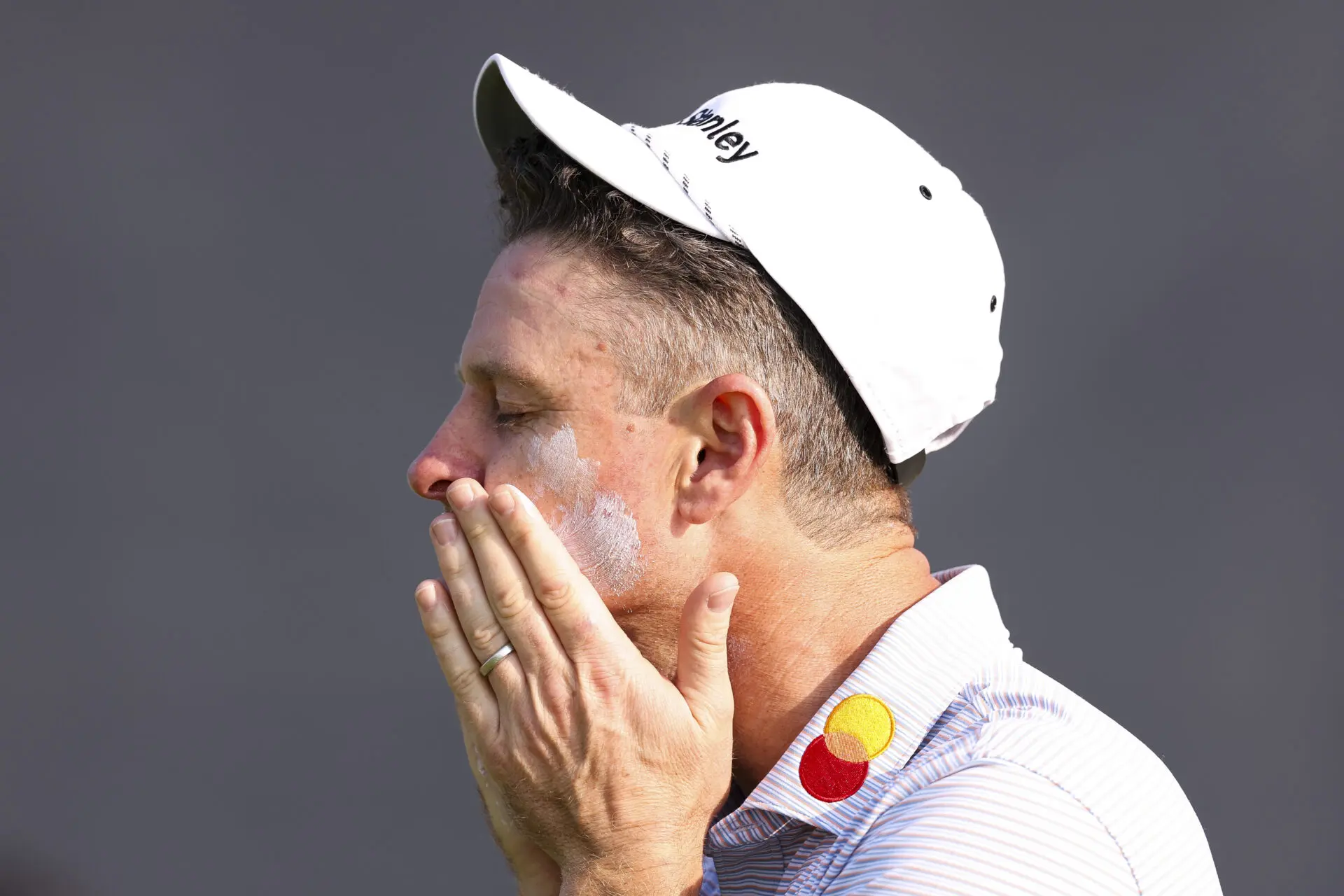
Warren Little / Getty Images
The short answer is: More than you’ve been using!
Reporting by Julie Bain, Becky Kamowitz, Victoria Kopec, Sabrina Gaber Holland, Mia Medney
Medical review by Steven Q. Wang, MD, and Elizabeth Buzney, MD
Most of the time, you think you’re doing the right thing when it comes to sunscreen. You buy it, apply it before heading out and feel reassured by the SPF number on the label. But here’s the surprising truth: You are probably not using nearly enough sunscreen. Despite all efforts and intentions, research confirms that people apply only 25 to 50 percent of the recommended amount.
We have data on this, if you’re up for a little science and math. But, if you take nothing else from this article, we ask you to think about the following:
- Any skin that is exposed to sunlight is subject to damage. If it’s not covered by clothing, a hat, hair, a scarf, gloves, shoes or sunglasses, it needs sunscreen.
- High-SPF sunscreen increases your protection, but only if you use enough to cover all exposed skin surface areas as directed, and …
- You need to apply more sunscreen than you think, thick like paint and not missing any spots, before you rub it in, and …
- Sunscreen doesn’t last all day; you should reapply every two hours or after swimming or sweating, and …
- You need to be consistent about using sunscreen every day, all year long, especially if you are at high risk.
How Much Sunscreen Do the Experts Say We Need?
For years, the Foundation and others have suggested a 1-ounce shot glass (2 tablespoons) as a measurement of sunscreen for an average adult.
The Problem with That?
- No one-size-fits-all sunscreen amount can be exactly right for everybody. There is much variance in the total skin surface area of adult humans, and the amount of skin exposed on any day varies.
- Kids are smaller and need sunscreen, too, of course, starting at 6 months. (Younger infants need physical protection before starting sunscreen, including shade, clothing and hats.)
- Also, most people don’t dispense one large amount of sunscreen before applying it. They dispense, squeeze, pour or spray a small amount at a time, to apply on various parts of the skin that are exposed.
- Most days of the year, you don’t need to apply sunscreen on your whole body, because you’re wearing clothes. You should apply to any exposed skin every day, like face, ears, neck, hands, arms and the V-neck area.
Personalize Your Amount — with Your Phone!
Sunscreen, as tested in labs, is applied (in the metric system) as 2 mg of product per square centimeter of skin. What does that mean in real life? We set out to calculate how much sunscreen you need for those everyday smaller skin areas in a way that’s (fairly) easy to understand. Take a look at your phone. We’re using the best-selling smartphone of 2025, the iPhone 16.

Math alert:
First we calculate the phone’s surface area.
147.6 mm x 71.6 mm = 10,568.16 mm2
Then we convert the answer to cm2 since that’s how sunscreen guidance is measured.
1 cm2 = 100 mm2
10,568.16 ÷ 100 = 105.68 cm2
Next, we apply the sunscreen recommendation.
2 mg per cm2
105.68 x 2 = 211.36 mg
Finally, we convert our answer to a practical amount.
211 mg = 0.21 g = 0.21 mL

How to Make the Phone Idea Useful
Think about areas of exposed skin. For example, look at the back of your hand. It’s probably close to the size of your phone, so that’s one pea-size amount of sunscreen. For your forearm, for an average woman, that’s about the length of three phones. So, hand and forearm, four pea-sized blobs. Spread it evenly and rub it in. How about your face: imagine holding your phone horizontally on your forehead, then vertically against each cheek. So, three phones, three pea-sized blobs. Easy-peasy.
If you test it on a few parts, or your kiddo’s parts, you quickly get the feel for how many areas are an approximate size of your phone. This should at least get you on the path of applying a little more sunscreen than you have in the past. And that could go a long way toward preventing skin cancer.
Expert Tip

“I think it’s a brilliant idea to focus on applying sunscreen to smaller areas in a memorable way,” says dermatologist and photobiology expert Elizabeth Buzney, MD, assistant professor of dermatology, Harvard Medical School, Brigham and Women’s Hospital, Boston. “It can also be helpful to think of the amount required like painting a fence. You want even, thorough coverage — not thin streaks and missed spots.”
The Skin Cancer Foundation Guidelines
The Skin Cancer Foundation recommends you use a broad-spectrum product with an SPF of 30 or higher for incidental daily use, and a water-resistant SPF 50 or higher for more extended outdoor activity.
How Often?
Sunscreen is not “one and done.” Over time, it degrades and is removed by water, sweat and towel drying. Reapply every two hours and immediately after swimming or sweating. It makes a difference: A 2018 study showed that sunscreen use is optimized after the second application. Users apply more thoroughly and cover areas they missed the first time around.
But It’s Expensive!
Sunscreen doesn’t have to be expensive to work. Look for a water-resistant, broad-spectrum product with SPF 50 or higher at a discount store or online in a large size (check expiration date). If you have a flexible savings account, it’s an eligible purchase. Remember, it’s a modest expense to help prevent skin cancer — and maybe even save your life.
Don’t Miss a Spot!
The sun doesn’t forget about these places, and neither should you: Often overlooked spots include the ears, back of the neck, scalp or hair part, tops of the feet and eyelids — prime targets for sunburn.
What Is SPF?
SPF stands for Sun Protection Factor. The number measures how much of the sun’s ultraviolet (UV) radiation it takes to redden your skin when using a particular sunscreen (applied generously and evenly, and reapplied after two hours or after sweating or swimming) compared with the amount of UV radiation that reddens the skin without any sunscreen. As the SPF number increases, the protection from sunburn increases.
“So, if I use SPF 30, does it mean I can stay outside 30 times longer?”
That, unfortunately, is a common misperception. Many people believe that if they normally get sunburned in one hour, then an SPF 15 sunscreen allows them to stay in the sun 15 hours without getting sunburned. This is not true, because SPF is not directly related to time of solar exposure but to amount of solar exposure, which varies throughout the day. In addition to solar intensity, other factors include:
- Your skin type
- The amount of sunscreen you applied
- How often you reapplied the product
Habit Stacking
Here’s how to make sunscreen a daily habit for the whole family. Place sunscreen in areas that you will commonly return to. For example:
- Keep sunscreen near your morning face wash and toothbrush.
- Put sunscreen in your bag next to your wallet or hand sanitizer. (And don’t forget your phone!)
- Emphasize reapplication every two hours.
- Play around with different types of sunscreens to decide what is best for you.
- The Skin Cancer Foundation Seal of Recommendation is a great place to start: See the full list here.
- Finally, remember: Sunscreen, applied correctly, is just one important part of skin cancer prevention and will work best when combined with seeking shade, covering up with clothing (ideally UPF 50+), and wearing a wide-brimmed hat and UV-blocking sunglasses