By
Skin Cancer Foundation •
Published On: June 30, 2026 •
Last Updated: June 30, 2026
A Sunset Walk Instead? It’s always important to protect your skin from the sun, and pregnancy is no exception. In fact, your skin sensitivity may be increased to the point that you feel overheated and dehydrated much sooner. Protect yourself, cover up and use mineral sunscreen for sensitive skin. Sarote Pruksachat / Getty Images
Q: I’m in my second trimester as we head into beach season. Does pregnancy increase the risk of getting sunburned?
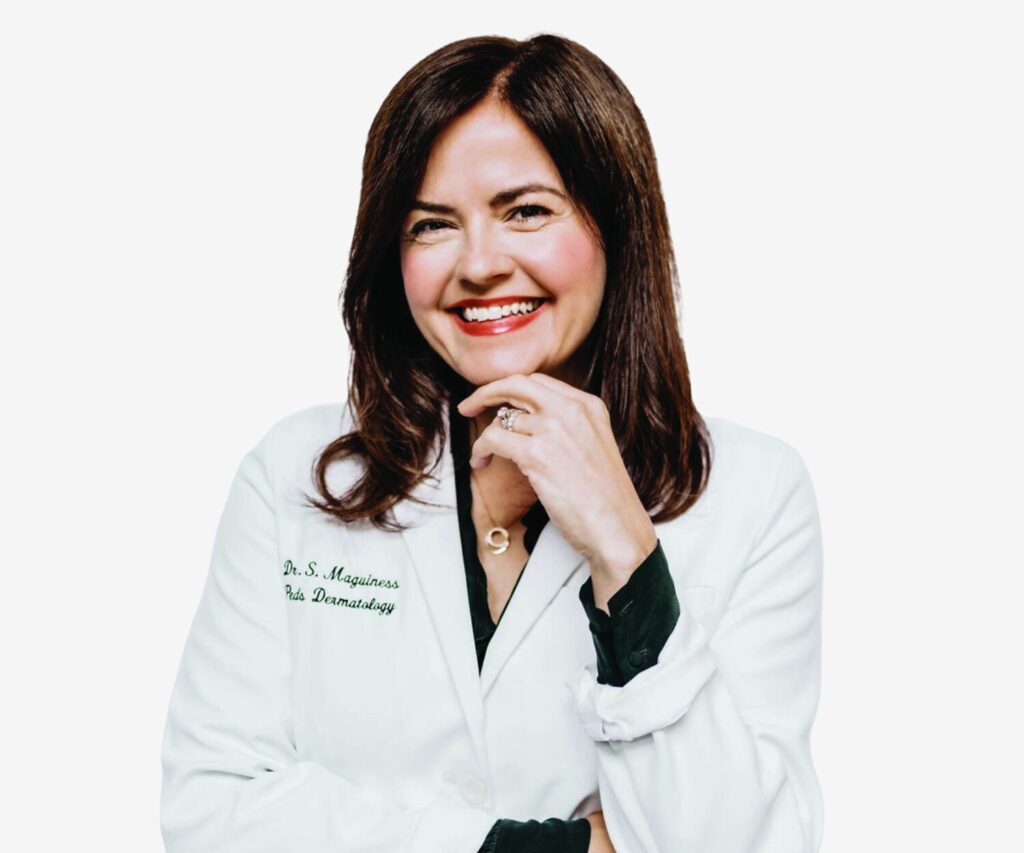
Sheilagh Maguiness, MD: Pregnancy causes physiologic and hormonal changes that can impact the skin, and there’s widespread information online stating that sunburn risk is higher for pregnant women. But guess what? As with so many medical “facts” you might see in an online search, there is no evidence or data showing that skin burns faster or that you’re more prone to sunburn when pregnant. Nor is there a known mechanism to explain why or how it might happen.
Here’s what could be going on: It’s easier for pregnant women to become dehydrated and overheated thanks to an increased volume of blood, hormonal shifts and demands from a growing fetus. This could make your skin feel hot, almost as if it is sunburned. Skin sensitivity also tends to increase, so you may be less able to tolerate the heat or being outside in the sun.
However, pregnancy does put you at risk for other sun-related skin conditions. Melanoma, a dangerous skin cancer, is one of the most commonly diagnosed cancers during pregnancy. We know sun exposure plays a role in its development. While researchers have studied whether pregnancy hormones are involved, too, there is so far no evidence. The link may simply be a matter of timing; more women are developing melanoma during their reproductive years — between the ages of 20 and 40. There could also be more delayed diagnoses during pregnancy because of putting off screening.
Secondly, changes in estrogen and progesterone can alter your skin’s response to UV light in a way that increases susceptibility to hyperpigmentation, freckling and what’s called melasma. Affecting up to 75 percent of pregnant women, melasma shows up as blotchy brown spots, usually on the forehead, upper lip and other areas of the face following UV exposure. The condition is so common among moms-to-be (and those using hormonal birth control), it earned the nickname “the mask of pregnancy.” Melasma is also difficult to get rid of, so prevention and good sun protection are key.
You might ask, then, what’s the safest way to prevent hyperpigmentation and protect skin during pregnancy? Remember that sun protection goes beyond just applying sunscreen: Protective clothing, hats, sunglasses, shade and staying out of the sun in the middle of the day when UV rays are strongest all go a long way.
After that, I recommend choosing mineral-based sunscreens containing zinc and/or titanium dioxide as the active ingredients. Mineral sunscreens sit on top of skin and physically block the sun’s rays, unlike chemical ingredients that filter UV light. Products with iron oxide also help block visible light (from the sun, fluorescent and LED lights, your phone and other electronic devices), which can contribute to hyperpigmentation as well.
My recommendation of mineral sunscreens is based on the findings of a landmark 2019 study in JAMA. It demonstrated that skin absorbs chemical UV filters in sunscreen and at higher levels than the FDA recommends. Currently, we don’t have a lot of other information or data about the real-world impact of that, but we know some chemical sunscreen ingredients can get into the fetal bloodstream.
I don’t want to vilify chemical sunscreens; they’re widely available, and many dermatologists recommend them. As many dermatologists say, the best sunscreen for you is the one you will use every day, all year long. However, as a pediatric dermatologist, out of an abundance of caution, I recommend mineral sunscreens for those who are pregnant or breastfeeding. The good news: While older mineral sunscreen formulations tended to leave a noticeable white cast on skin, you’ll now find tinted versions that blend into a range of skin tones and types. — Interview by Beth Janes O’Keefe
About the Expert:
Sheilagh Maguiness, MD, is a double board-certified pediatric dermatologist and the division director for pediatric dermatology at the University of Minnesota Medical School. She’s also a past president of the Society for Pediatric Dermatology and the director of the UMMCH multidisciplinary Vascular Anomalies Clinic.