Rough, scaly patches on the skin can sometimes be precancerous. Deborah S. Sarnoff, MD, president of The Skin Cancer Foundation, explains how to look — and feel — for actinic keratoses, so they can be diagnosed and treated early.



Rough, scaly patches on the skin can sometimes be precancerous. Deborah S. Sarnoff, MD, president of The Skin Cancer Foundation, explains how to look — and feel — for actinic keratoses, so they can be diagnosed and treated early.
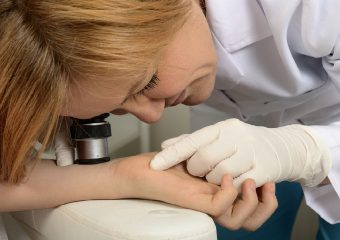
Imagine visiting the dermatologist with concerns about a strange growth on your arm. You breathe a sigh of relief when your doctor tells you that the spot is an actinic keratosis (AK), meaning it isn’t malignant…for now. It may stay benign, but it could also turn into a potentially life-threatening form of skin cancer.

These precancerous lesions crop up on skin’s surface sometimes years after sun damage has occurred, and they can be tricky to treat. One dermatologist tells us why.
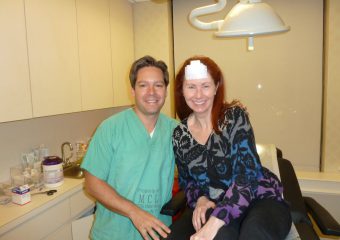
The little spot on my forehead didn’t look like much, but it didn’t feel right to me. Turned out to be squamous cell carcinoma, a more dangerous type of skin cancer than I’d had before.
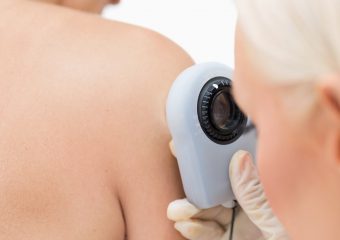
Both a precancer and an atypical mole may look unusual, but each has unique characteristics. An expert explains the differences.
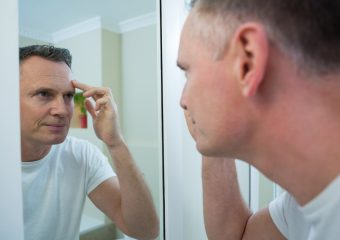
I noticed a small scaly patch on my forehead. It seems like dry skin, but sometimes it’s itchy and forms a little scab when I scratch it. I’ve had it for a while. Should I see a doctor just for that?