February Newsletter
Vol. 2 | February 2026
While skin cancer rates steadily rise, skin cancer myths and misinformation are running rampant online, including unsafe tanning trends, untrue sunscreen claims and dangerous skin health misconceptions. Here is the truth about skin cancer:
- Anyone can get skin cancer, at any age and any skin tone. Nobody is immune.
- Ultraviolet (UV) radiation from the sun and tanning beds is a proven human carcinogen and the main cause of most skin cancers.
- Indoor tanning is especially dangerous and strongly linked to melanoma other skin cancers.
We’re working to fight misinformation and you can help.
Be a Skin Cancer Myth-Buster: Share the truth with everyone you know. Connect with us on social media for easily sharable, medically reviewed skin cancer facts. Visit our Skin Cancer Myths & Misinformation page for facts, downloadable resources and stories from survivors.
Test Your Knowledge: Take the Fighting Misinformation Quiz.
Together, we can share science-based facts, debunk myths that put people at risk and help save lives.
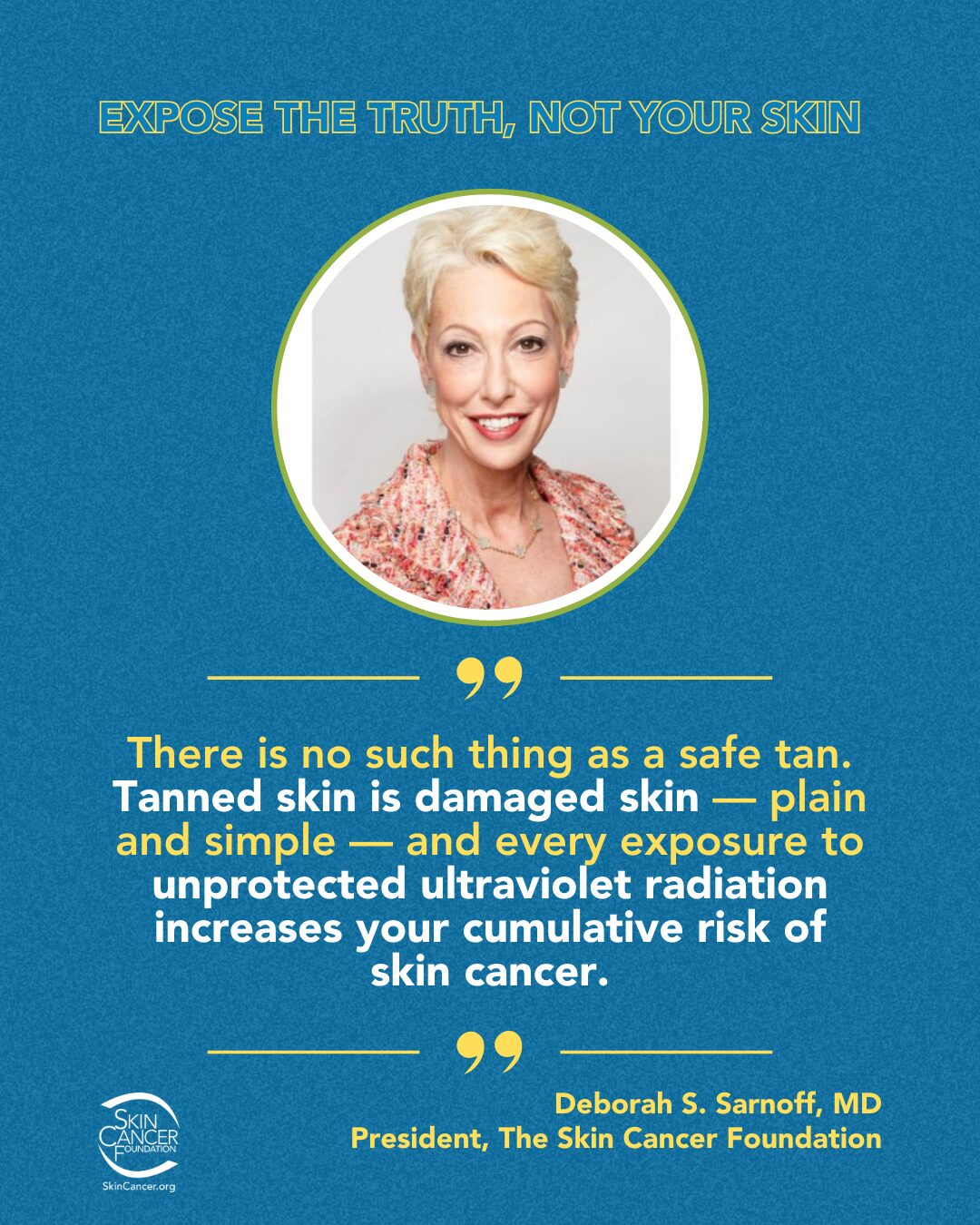
Dr. Sarnoff Says
World Cancer Day
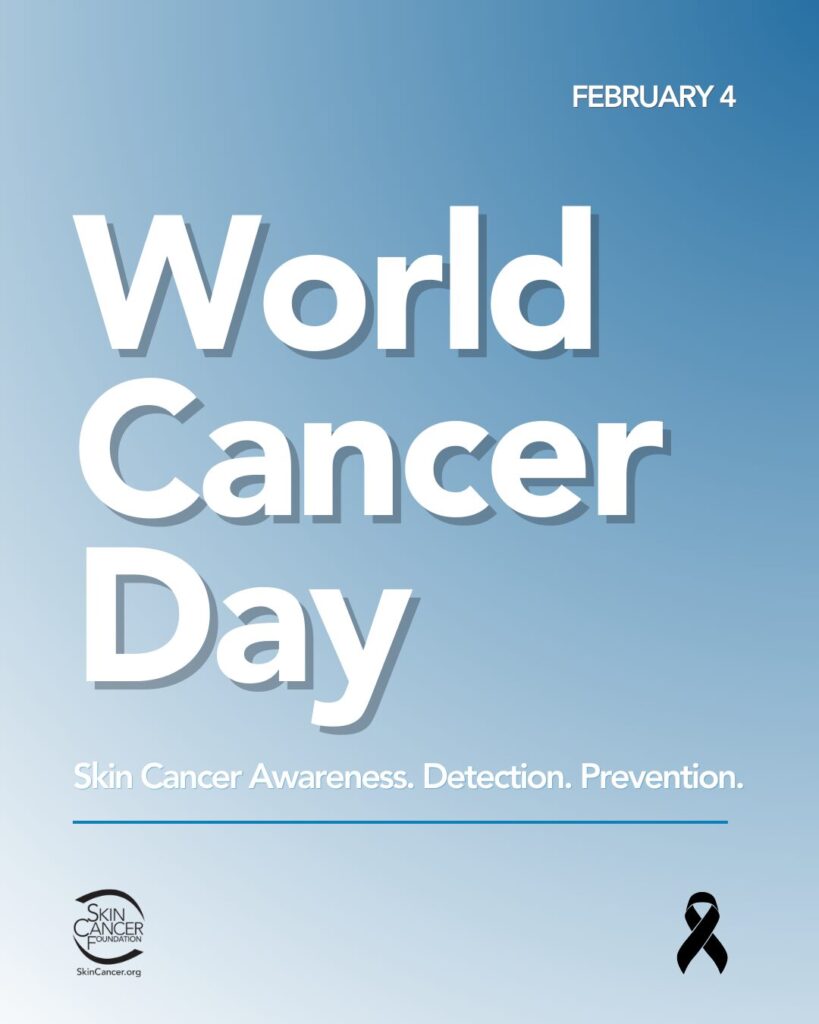 World Cancer Day was February 4, but our fight against the world’s most common cancer continues all year long. Thank you for amplifying our educational messages.
Join the #LoveYourSkin Campaign
#LoveYourSkin is our public awareness campaign focused on education, early detection and sun protection for skin of color.
Skin cancer is often diagnosed later in people of color, when it is more challenging to treat. Together, we can help one another by raising awareness and sharing the facts.
It’s easy to get involved:
- Follow us and the hashtag #LoveYourSkinProtectYourSkin on social media
- Share facts and graphics to help spread the word
- Read and share our blog posts about skin cancer in people of color
Stay tuned for more ways to get involved!
Defend Your Skin: Thank You Coach McDermott
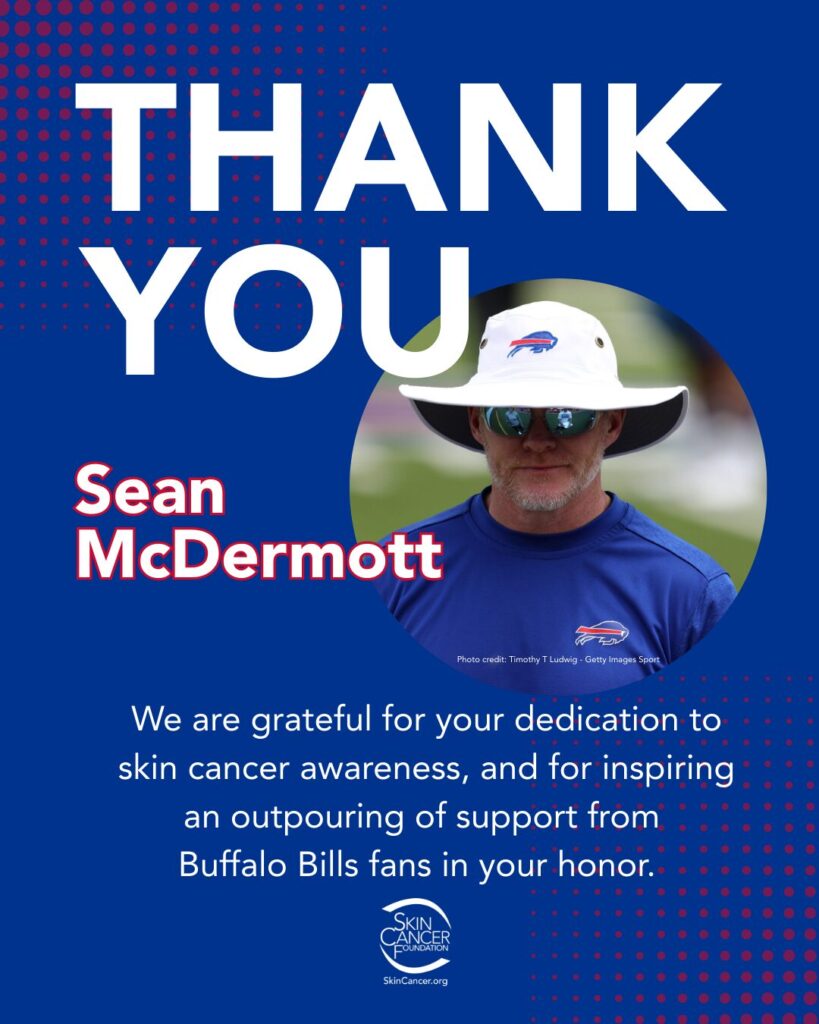 A heartfelt THANK YOU to the thousands of fans of the NFL’s Buffalo Bills, who expressed their appreciation for the team’s former head coach, Sean McDermott, with donations to the Foundation in his honor, totaling $75,000.
We are grateful to Coach McDermott for inspiring fans to join the fight against skin cancer and were honored to work with him on a skin cancer awareness public service announcement. We know that his passion for sun protection inspired many people to take skin cancer more seriously.
New on the Blog

Bob Marley Should Not Have Died from Melanoma
Bob Marley would have been 81 years old on February 6. Sadly, his life was cut short by acral lentiginous melanoma (ALM), a rare, aggressive skin cancer. While ALM is rare overall, it is the most common form of melanoma found in people of color.
Skin Cancer Does Not Discriminate — Even Pro Athletes Get It
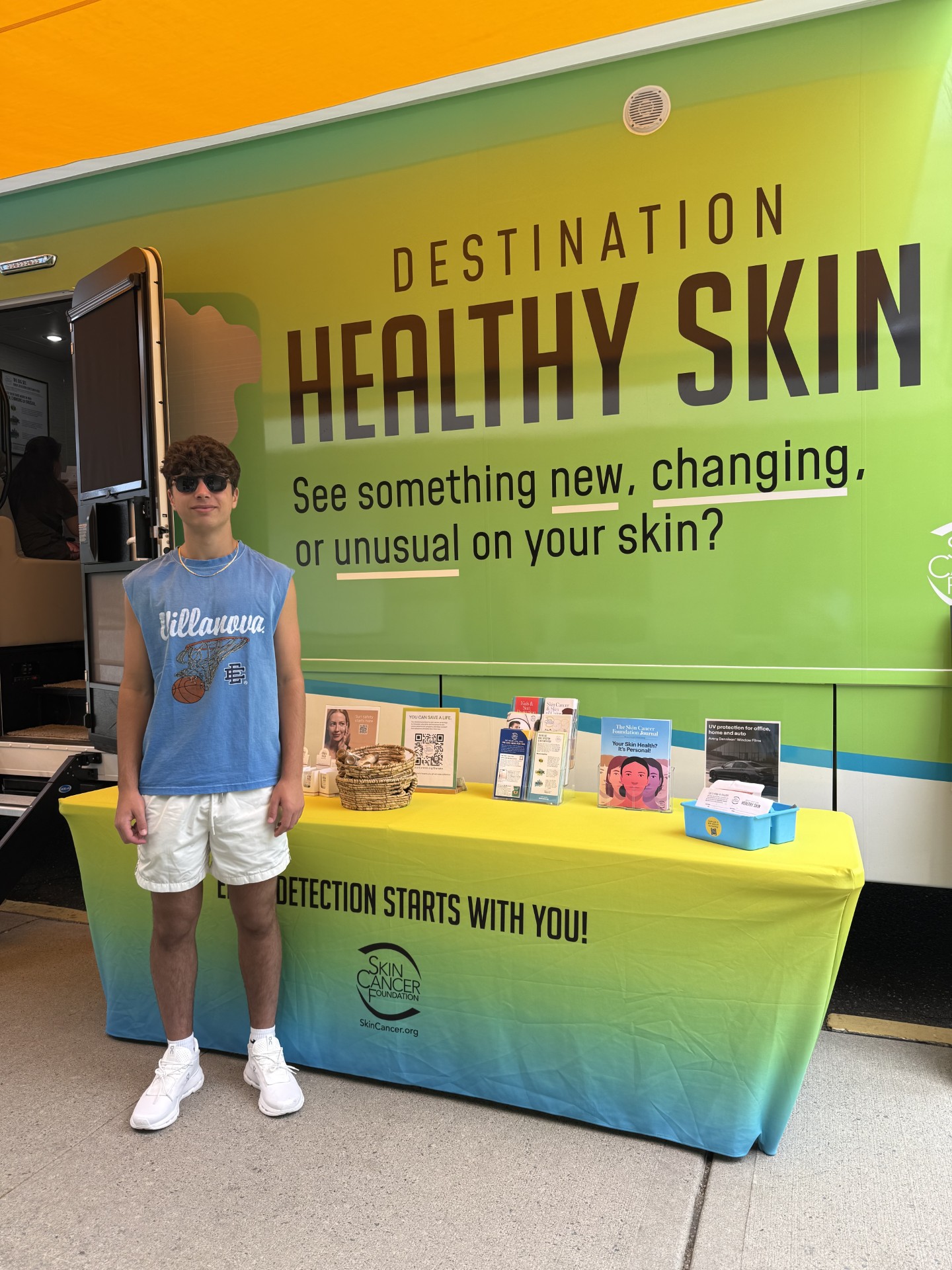
Jake Schweitzer wants people to know: Skin cancer is serious and can happen to anyone, even athletes. It happened to his grandfather, who lost a battle with melanoma before Jake ever had a chance to meet him. That deep and personal loss is one reason why Jake is working with us to raise awareness about skin cancer prevention.

Cold Dry Air Requires a Little Extra Skin Care
Here at The Skin Cancer Foundation, we spend a lot of time talking about skin cancer, but we’re also concerned with overall skin health. That means not only protecting your skin from sun damage, but also giving it some TLC when it’s cold and dry.

5 Tips for Taking Care of Your Lips
When it comes to lip care, you should never slack off, especially during the winter. In honor of Valentine’s Day, we’re sharing our best tips for getting beautiful, healthy lips.

Spotlight on Seasonal Depression: Why Indoor Tanning Isn’t an Effective Treatment
Seasonal Affective Disorder (SAD) impacts millions of Americans but hopping into a tanning bed won’t help. Here’s why visible light therapy is a safer, more effective way to ease symptoms.
Monthly Giving: Join Our Skin Protection Fund
Join our community of monthly donors and become a member of the Skin Protection Fund (SPF). Your recurring gift will steadily support the lifesaving programs of the Foundation and help us educate the public and the medical community about skin cancer, its prevention by means of sun protection, the need for early detection and prompt, effective treatment. Learn more and donate here.
Stay Connected
| Follow us: | |||||||
|