Jake and Alexis Schweitzer are working to make sun protection a habit for their generation, and to honor their dad’s father, who died of melanoma when he was 43.


Jake and Alexis Schweitzer are working to make sun protection a habit for their generation, and to honor their dad’s father, who died of melanoma when he was 43.

Sophia Xia, former Miss Illinois Teen USA, is a scholar, researcher, athlete, mentor and leader of a youth skin health advocacy movement.

When lightning-fast Minecraft player Anthony Salzarulo (aka Couriway) learned that his girlfriend was diagnosed with melanoma, he snapped into action to help.

Whitney’s melanoma did not look suspicious, but she trusted her instincts and advocated for a biopsy. She shares her story to spread skin cancer awareness.

August is Summer Sun Safety Month, and we’re sending a friendly reminder to make sun protection a daily, lasting habit. Sun-protective (UPF) clothing is the simplest way to stay sun safe; unlike sunscreen, you never need to reapply. Enjoy the final weeks of summer 2026 and be sure to extend your complete sun protection strategy into the fall, winter and spring. Take shade breaks, apply broad-spectrum sunscreen, wear a wide-brimmed hat and protect your eyes with sunglasses.

Tanmaxxing is a popular trend among teens, despite a mountain of evidence about the dangers of UV radiation and increased skin cancer risk. The trend has prompted one teen to speak up by sharing the truth about tanmaxxing.

Immunosuppressants are lifesaving for patients with solid organ transplants. However, these medications leave the body more vulnerable to infections and skin cancer.

From April to July 2026, the Destination Healthy Skin free skin cancer screening and education program traveled down the East coast and all around the South. At the halfway point in the journey, volunteer providers screened more than 1,400 people.

Does your cat, dog or other pet love to lie in the sun? Yes, they can get skin cancer! Here, risk factors and warning signs to watch for.
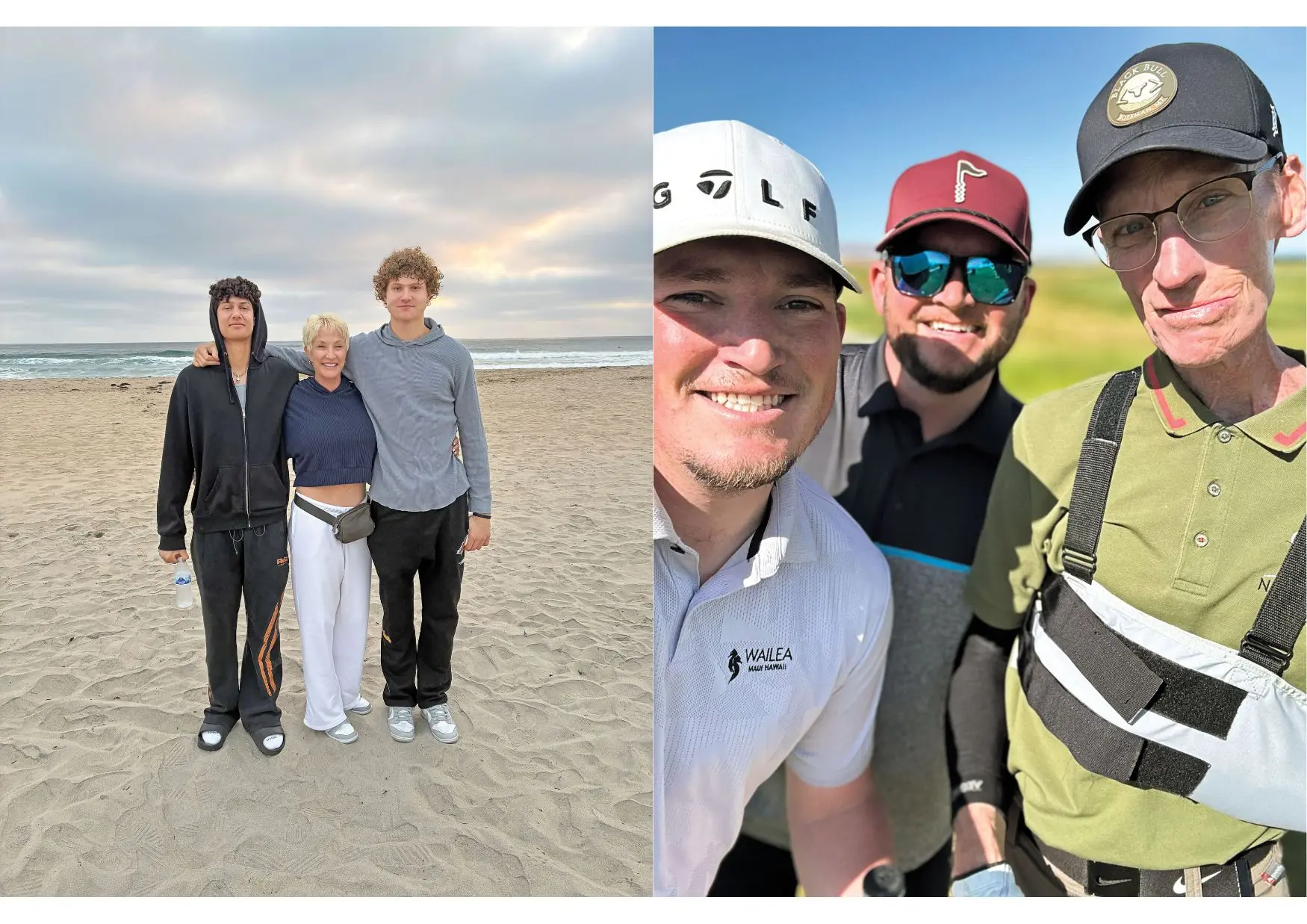
Despite the many lifesaving breakthroughs in treatment for advanced skin cancer in the past 15 years, not every patient responds to them. That “f” word is often used as medical shorthand to describe an unsuccessful treatment. But is it time to retire it? Patients and doctors share their thoughts on staying hopeful and the value of contributing to clinical research.